

Modern financial platforms have transformed how people invest, transfer funds, and manage digital assets. From online banking to blockchain-powered investment ecosystems, convenience has become one of the industry’s biggest advantages. However, this convenience also attracts increasingly sophisticated cyber threats, making financial platform security one of the most critical aspects of every fintech ecosystem.
Users today expect more than fast transactions and intuitive interfaces. They want confidence that their personal information, financial data, and digital assets remain protected against fraud, hacking attempts, identity theft, and unauthorized access. As financial technology continues to evolve, platforms are investing heavily in advanced security infrastructure to ensure every transaction is conducted within a safe and trusted environment.
Unlike traditional banking systems that rely primarily on centralized security controls, many modern fintech platforms combine multiple layers of protection. Encryption technologies, artificial intelligence, biometric authentication, blockchain verification, and continuous fraud monitoring all work together to minimize risks while maintaining a seamless user experience.
At the same time, regulatory compliance has become an equally important component of platform security. Financial companies must comply with international standards regarding data privacy, anti-money laundering (AML), and Know Your Customer (KYC) procedures. These regulations not only protect businesses but also create a safer environment for users participating in digital financial services.
For investors exploring innovative financial ecosystems, understanding these protective mechanisms is essential before committing capital. Platforms that prioritize transparency, compliance, and robust cybersecurity often provide stronger long-term confidence compared to services that focus solely on investment returns.
As digital finance continues expanding into areas such as tokenized real estate, decentralized finance, and blockchain-based investment products, the importance of reliable financial platform security will only continue to grow. Whether users are storing digital assets, investing in tokenized properties, or managing diversified portfolios, choosing a platform with enterprise-grade security is no longer optional—it is a necessity.
Why Financial Platform Security Matters More Than Ever
The rapid adoption of digital financial services has fundamentally changed how individuals interact with money. Instead of visiting physical bank branches or relying exclusively on traditional investment firms, users now complete everything from portfolio management to international transactions through online platforms. While this evolution has increased accessibility and efficiency, it has also expanded the attack surface for cybercriminals seeking to exploit vulnerabilities.
Every financial transaction involves sensitive information. Personal identification documents, payment credentials, banking details, investment records, and transaction histories all represent valuable targets for hackers. A single security breach can expose thousands—or even millions—of user accounts, resulting in significant financial losses and long-term reputational damage for the platform involved.
This growing threat landscape explains why financial platform security has become one of the primary competitive advantages among fintech providers. Modern users evaluate security standards just as carefully as fees, investment opportunities, or platform usability. Strong cybersecurity practices inspire confidence, encourage long-term customer relationships, and demonstrate a company’s commitment to protecting client assets.
Today’s cyber threats extend far beyond traditional hacking attempts. Financial institutions face phishing campaigns, credential stuffing, ransomware attacks, API exploitation, insider threats, and increasingly sophisticated social engineering schemes. Attackers often leverage automation and artificial intelligence to identify weaknesses at scale, requiring platforms to adopt equally advanced defensive technologies.
Another important consideration is the rapid growth of blockchain-based financial products. Digital asset platforms, tokenized investment ecosystems, and decentralized financial applications introduce unique security challenges that differ from conventional banking infrastructure. Protecting digital wallets, private keys, smart contracts, and blockchain transactions requires specialized security controls alongside conventional cybersecurity practices.
This is particularly relevant for innovative ecosystems that combine investment opportunities with emerging technologies. For example, platforms like Tigerpalace integrate blockchain concepts with modern investment solutions, making enterprise-level cybersecurity, identity verification, and transaction monitoring essential components of their overall infrastructure. Rather than relying on a single protective measure, these ecosystems typically implement multiple overlapping safeguards designed to reduce operational risk while maintaining efficient user experiences.
Security also directly influences regulatory compliance. Governments worldwide continue introducing stricter standards surrounding consumer protection, digital identity verification, anti-money laundering controls, and financial reporting. Platforms capable of meeting these evolving requirements demonstrate greater operational maturity while reducing legal and financial risks.
Equally important is maintaining user trust over the long term. Even a minor security incident can negatively impact customer confidence, leading to account closures, reduced transaction activity, and reputational damage that may take years to recover from. Consequently, leading fintech companies treat cybersecurity not simply as an IT function but as a core business strategy that supports sustainable growth.
As digital finance becomes increasingly interconnected, users should evaluate platforms based on far more than promised returns or innovative investment products. Understanding the strength of their fintech security systems, data protection practices, authentication methods, and regulatory compliance provides a more complete picture of how effectively the platform safeguards both personal information and financial assets.
To learn more about innovative blockchain-powered financial ecosystems and digital investment opportunities, explore the Tigerpalace homepage, where technology, transparency, and modern investment solutions come together within a secure financial environment.
Core Security Mechanisms Used by Modern Financial Platforms
Behind every reliable digital finance ecosystem is a combination of security technologies working together to protect user accounts, sensitive information, and financial transactions. Rather than depending on a single safeguard, modern providers implement multiple defensive layers designed to identify risks before they become serious threats. This layered approach is one of the defining characteristics of strong financial platform security, allowing platforms to maintain both convenience and protection without sacrificing the user experience.
As cybercriminals continue to develop more sophisticated attack methods, financial companies have responded by investing in intelligent fintech security systems that continuously evolve alongside emerging threats.
Multi-Factor Authentication (MFA)
Passwords alone are no longer sufficient for protecting financial accounts. Many data breaches occur because users reuse passwords across multiple websites or choose credentials that are easy to guess. Multi-Factor Authentication (MFA) addresses this weakness by requiring additional verification before account access is granted.
Most financial platforms combine two or more authentication factors, such as:
- A password or PIN
- A one-time verification code sent via SMS or authenticator app
- Biometric verification, including fingerprint or facial recognition
Even if an attacker obtains a user’s password, the additional verification layer significantly reduces the likelihood of unauthorized access. This simple yet effective mechanism has become one of the most widely adopted security standards across online banking, investment platforms, and digital asset services.
End-to-End Encryption Protects Sensitive Data
Encryption forms the backbone of modern financial platform security. Every time users log in, submit personal information, or initiate a transaction, that data should be encrypted while traveling between devices and servers.
Advanced encryption ensures that intercepted information remains unreadable without the appropriate cryptographic keys. Modern financial institutions commonly rely on industry-standard protocols such as TLS during data transmission while encrypting stored customer information within secure databases.
Encryption protects a wide variety of sensitive information, including:
| Protected Data | Why Encryption Matters |
|---|---|
| Login credentials | Prevents credential theft |
| Banking information | Secures payment details |
| Personal identity documents | Reduces identity fraud risks |
| Transaction records | Preserves financial integrity |
| Investment portfolios | Protects confidential account data |
Strong encryption also supports regulatory compliance by helping organizations satisfy data protection requirements imposed by financial authorities worldwide.
Tokenization Enhances Transaction Security
Tokenization is another powerful technology increasingly adopted by financial platforms. Instead of storing actual payment information during transactions, the system replaces sensitive data with randomly generated digital tokens.
These tokens carry no meaningful value if intercepted by attackers, making payment fraud significantly more difficult.
Unlike encryption, where encrypted data can theoretically be decrypted using the appropriate key, tokenized information cannot reveal the original data because the sensitive information is stored separately within highly secured environments.
This approach has become especially valuable for payment processing, digital wallets, subscription services, and blockchain-enabled financial ecosystems.
Secure API Architecture
Modern financial services rarely operate as isolated systems. Payment gateways, identity verification providers, banking institutions, investment platforms, and analytical tools constantly exchange information through Application Programming Interfaces (APIs).
Because APIs serve as communication channels between different services, they have become attractive targets for cybercriminals.
Leading financial organizations implement secure API architectures by incorporating:
- Authentication tokens for every request
- Rate limiting to reduce automated attacks
- Continuous API monitoring
- Permission-based access controls
- Regular vulnerability assessments
Proper API management minimizes opportunities for unauthorized data access while maintaining fast and reliable system integrations.
Zero Trust Security Model
Traditional cybersecurity often assumed that users operating within a company’s network could be trusted. Modern security strategies have largely abandoned this assumption.
The Zero Trust model follows a much stricter principle:
Never trust. Always verify.
Every login request, device connection, and application access is evaluated continuously regardless of whether the request originates from inside or outside the organization’s network.
This strategy reduces risks associated with compromised employee accounts, stolen credentials, insider threats, and unauthorized devices. By verifying every interaction individually, organizations create a more resilient defense against increasingly sophisticated cyberattacks.
Intelligent Session Management
Session management plays a vital role in preventing unauthorized account usage after login. Modern financial platforms monitor user sessions continuously rather than simply authenticating users once.
Examples include:
- Automatic logout after periods of inactivity
- Device recognition
- Location-based login monitoring
- Concurrent session detection
- Immediate session termination following suspicious activity
These safeguards help reduce the impact of stolen devices or forgotten login sessions while improving overall account protection.
Role-Based Access Control
Not every employee or system should have unrestricted access to customer information. Role-Based Access Control (RBAC) limits access according to job responsibilities, ensuring users only interact with data necessary for their specific roles.
For example:
- Customer support agents may view account status without accessing payment credentials.
- Security teams may investigate fraud alerts without modifying financial records.
- System administrators may manage infrastructure without viewing confidential customer information.
This separation of responsibilities reduces insider risks while strengthening overall operational security.
Building Multiple Layers of Protection
No individual technology can eliminate cyber threats entirely. Instead, modern financial platform security depends on combining authentication, encryption, tokenization, API protection, continuous monitoring, and access management into a unified defense strategy.
Platforms that invest in these overlapping security measures are generally better prepared to respond to evolving cyber risks while maintaining user confidence. As financial ecosystems continue incorporating blockchain technology and digital investment solutions, layered security becomes even more important for protecting both users and business operations.
When evaluating innovative financial ecosystems such as Tigerpalace, users should consider not only available investment opportunities but also the security architecture supporting the platform. A strong technical foundation helps create a safer environment for managing digital assets and participating in modern financial services.
AI, Blockchain, and Emerging Technologies Strengthening Financial Platform Security
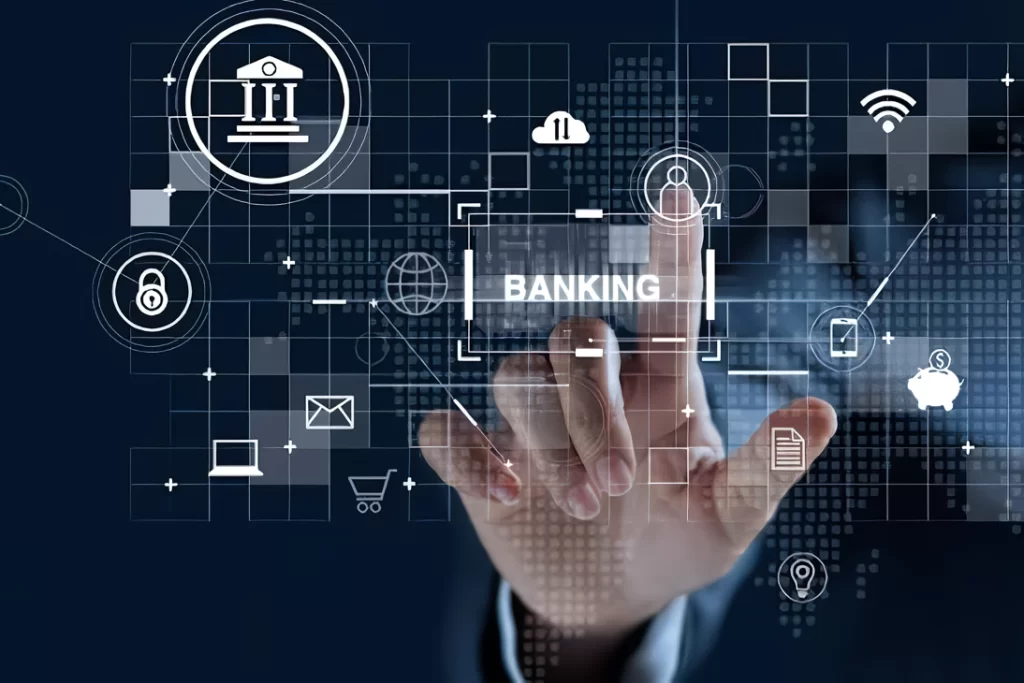
The financial industry has reached a point where traditional cybersecurity tools alone are no longer enough. Attackers constantly develop new techniques to bypass defenses, automate fraud attempts, and exploit vulnerabilities before organizations can react. To stay ahead, financial institutions are increasingly adopting artificial intelligence, machine learning, blockchain technology, and real-time monitoring as part of their financial platform security strategy.
These technologies do more than respond to attacks—they help prevent them by identifying unusual behavior, verifying transactions, and reducing opportunities for human error.
Artificial Intelligence for Fraud Detection
Artificial intelligence has become one of the most valuable tools in modern cybersecurity. Instead of relying solely on predefined security rules, AI systems continuously analyze enormous amounts of transaction data to identify patterns that may indicate fraudulent activity.
For example, an AI-powered monitoring system can recognize situations such as:
- A login attempt from an unfamiliar country.
- Multiple failed login attempts within a short period.
- Transactions that differ significantly from a user’s normal behavior.
- Sudden changes in device, browser, or IP address.
Rather than immediately blocking every unusual activity, AI evaluates multiple risk factors simultaneously. If a transaction appears suspicious, the platform may request additional identity verification, temporarily pause the transaction, or alert its security team for further investigation.
Because machine learning models improve over time by analyzing new data, they become increasingly effective at distinguishing legitimate customer activity from potential cyber threats.
Behavioral Analytics Adds Another Layer of Protection
Passwords and verification codes confirm a user’s identity during login, but behavioral analytics helps verify that the person continues to behave like the legitimate account owner.
Modern fintech security systems monitor behavioral indicators such as typing speed, mouse movement, navigation habits, and device interaction patterns. While these details may seem insignificant individually, they create a unique behavioral profile that can help identify suspicious activity.
For instance, if an account is suddenly accessed using completely different interaction patterns alongside a new device and unfamiliar location, the system may classify the session as high risk even if the correct password was entered.
This additional verification layer helps detect compromised accounts that traditional authentication methods might otherwise miss.
Blockchain Improves Data Integrity
Blockchain technology introduces a different approach to securing financial records. Instead of storing transaction histories within a single centralized database, blockchain distributes verified records across multiple nodes, making unauthorized alterations significantly more difficult.
Every verified transaction is permanently linked to previous records, creating an immutable chain of information. Once data has been validated and recorded, changing that information without consensus becomes extremely challenging.
For financial platforms using blockchain-based investment models or tokenized assets, this transparency offers several benefits:
- Improved transaction traceability.
- Reduced risk of record manipulation.
- Greater transparency for users.
- Stronger audit capabilities.
- Increased confidence in transaction history.
These characteristics have made blockchain an increasingly important component of digital finance beyond cryptocurrencies alone.
Smart Contracts Reduce Human Error
Smart contracts are automated agreements that execute predefined actions once specific conditions have been met.
Unlike traditional manual processes, smart contracts eliminate many administrative steps that typically require human intervention. This automation reduces processing delays while minimizing operational errors that could otherwise introduce security or compliance risks.
Within digital investment ecosystems, smart contracts may be used to automate activities such as:
- Investment distributions.
- Ownership transfers.
- Scheduled payments.
- Digital asset allocation.
- Compliance verification.
Because contract rules are predefined before execution, transactions become more transparent and consistent for all participating parties.
Continuous Monitoring and Threat Intelligence
Cybersecurity is not a task that ends after launching a platform. Modern financial services operate around the clock, requiring equally continuous monitoring to identify threats before they escalate.
Security teams combine automated monitoring tools with global threat intelligence feeds to detect emerging attack techniques and respond quickly to suspicious activity.
Continuous monitoring typically focuses on:
- Network traffic anomalies.
- Unauthorized access attempts.
- Malware detection.
- System vulnerabilities.
- Abnormal transaction behavior.
Rather than waiting for users to report issues, these systems proactively identify potential problems and allow security teams to respond before significant damage occurs.
Security Innovation Supports Long-Term User Confidence
Technology alone cannot guarantee complete protection, but combining AI, blockchain, behavioral analytics, and real-time monitoring significantly strengthens overall financial platform security. Together, these technologies create multiple layers of defense that reduce risk while supporting a smoother user experience.
As digital investment ecosystems continue to evolve, security innovation will remain a key factor when evaluating financial platforms. Services that invest in intelligent fintech security systems demonstrate a stronger commitment to protecting customer information, maintaining operational integrity, and adapting to an ever-changing cybersecurity landscape.
For users exploring blockchain-powered investment opportunities, platforms like Tigerpalace illustrate how advanced technologies can be integrated into modern financial ecosystems while emphasizing security, transparency, and responsible digital asset management.
Phần kết luận
As digital finance continues to evolve, robust financial platform security has become a fundamental requirement rather than a competitive advantage. Modern financial platforms must protect sensitive information, secure transactions, and maintain user trust while adapting to increasingly sophisticated cyber threats. Achieving this level of protection requires more than a single security feature—it demands a comprehensive strategy that combines encryption, multi-factor authentication, AI-driven fraud detection, blockchain verification, secure API management, and continuous monitoring.
Equally important is the role users play in maintaining account security. Even the most advanced fintech security systems are most effective when combined with responsible practices such as creating strong passwords, enabling multi-factor authentication, recognizing phishing attempts, and regularly reviewing account activity. Security is ultimately a shared responsibility between the platform and its users.
As innovative financial ecosystems continue integrating blockchain technology, tokenized assets, and digital investment opportunities, evaluating a platform’s security framework should be just as important as assessing its products or potential returns. A platform that prioritizes transparency, regulatory compliance, and layered cybersecurity is better positioned to provide a safe and reliable environment for long-term financial participation.
If you’re interested in learning more about blockchain-powered financial solutions and secure digital investment ecosystems, visit the Tigerpalace homepage to explore its platform and discover additional resources covering tokenized real estate, modern investment strategies, and financial technology innovations. Understanding how security supports these emerging financial models can help you make more informed decisions while navigating the future of digital finance.


 Vietnamese
  English
  Thai
Thai  Japanese